
Why start with a floor plan?

One reason why so many designers start with a floor plan is that it provides a framework for the other elements that need to be considered. The most efficient way to design it is to first understand what you need.
There are seven principles of design: balance, harmony, rhythm, emphasis, contrast, scale and proportion. Various elements in interior design often work together to impact several principles. And each design decision influences and informs the decisions that come after it. A floor plan always addresses the element of emphasis, aka creating a focal point. Balance, scale and proportion are also addressed within the conceptual phase of a furniture layout. The layering of specific furniture forms and textiles bring harmony (how well things go together that creates a sense of calm and order), rhythm (ie. repetition) and contrast (which creates a sense of excitement, whether through opposing colors, finishes (matte or shiny) or textures (silky or knubby).
In a world of endless possibilities, not all of them good, embracing limitations is often a welcome framework for creativity. So a well-considered floor plan is a fantastic way to start. It will help you narrow down the proper size sofa, dining table, chair, side tables, etc. You’ll also have an understanding of where opportunities are for color, texture, contrast.
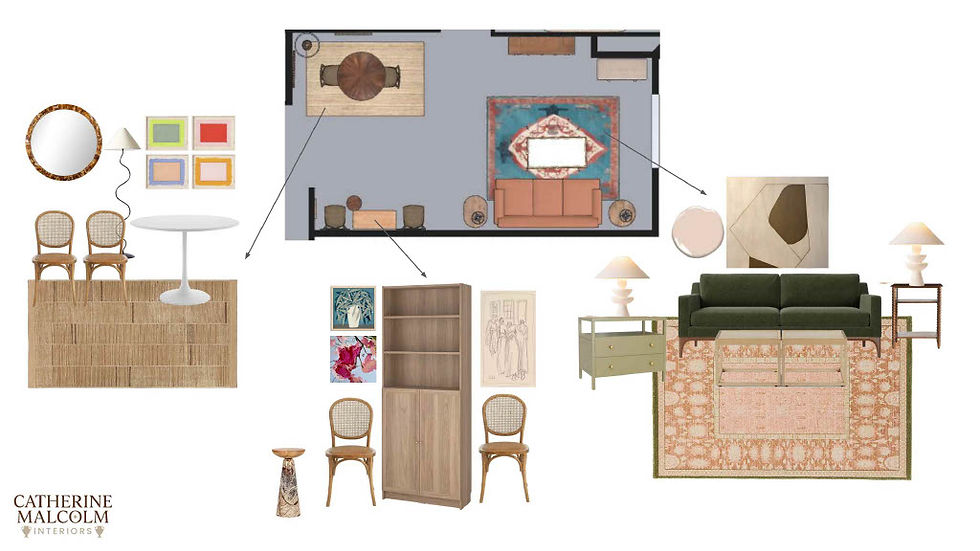
I’m absolutely a proponent of slow design, which means rooms being “installed” over time. It can also be a more attainable way to decorate with a limited budget. However, that does not mean reinventing the wheel at each turn. Commit to your design plan and stick with it! Often changing your mind will cost you money as you deviate from one idea or element to another, slowly moving away from the
overall concept. Good design comes from having a well-thought out plan and the discipline to stick to it.


Comments